
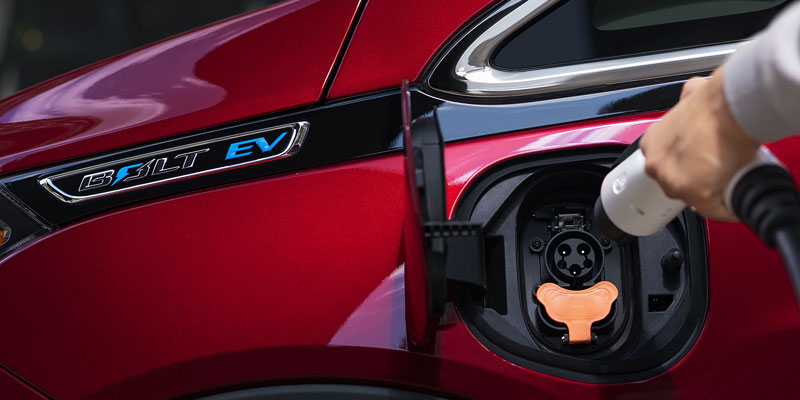
As more drivers transition to electric vehicles (EVs), understanding how to charge your car is crucial. One of the most common questions we hear is: “What kind of charging cord do I need?” To answer that, let’s break down the different types of EV charging cords and what “Level 1,” “Level 2,” and “Level 3” really mean.
Whether you’re charging at home, at work, or on a road trip, knowing which cord and charging level suits your vehicle can save you time and ensure maximum efficiency.
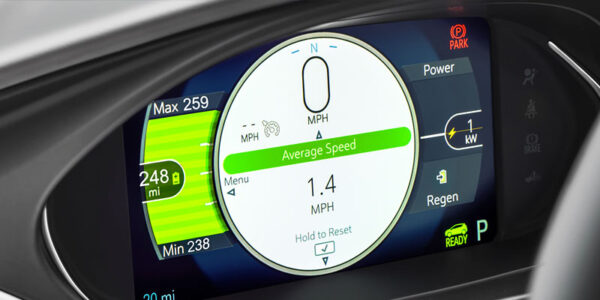
🔌 Level 1 Charging (120V AC) — Standard Wall Outlet
Best for: Home use, overnight charging
Charging Speed: ~2 to 5 miles of range per hour
Cord Type: Standard 3-prong plug (NEMA 5-15), typically included with your EV
Chevrolet Notes:
All Chevrolet EVs (e.g., Bolt EV, Bolt EUV, and upcoming Blazer EV, Equinox EV) come with a Level 1 cord that can plug into a standard household outlet.
Suitable for overnight charging if you drive <40 miles per day.
⚡ Level 2 Charging (240V AC) — Home & Public Charging
Best for: Daily charging at home, workplace, or public stations
Charging Speed: ~10 to 60 miles of range per hour
Cord/Connector Types:
J1772 (North America standard for most EVs including Chevrolet)
Tesla connector (for Tesla vehicles, or with adapter)
Chevrolet Notes:
All Chevrolet EVs use the J1772 plug for Level 2 charging.
Bolt EV/EUV: Charges from 0–100% in ~7–10 hours with a 240V charger.
Ultium-based models (Blazer EV, Equinox EV, Silverado EV): Charge faster due to higher capacity onboard chargers (up to 11.5 kW in some trims).
GM often includes free home installation offers or rebates with new EV purchases.
⚡⚡ Level 3 Charging / DC Fast Charging (480V+ DC)
Best for: Highway rest stops, long road trips
Charging Speed: ~100 to 300+ miles of range in 30 minutes or less
Cord/Connector Types:
CCS (Combined Charging System) – Used by Chevrolet and most non-Tesla EVs
CHAdeMO – (Not supported by Chevrolet)
Tesla Supercharger – Use requires an adapter (some access may be coming via NACS conversion)
Chevrolet Notes:
Bolt EV/EUV: Max DC charging rate ~55 kW (adds ~100 miles in ~30 minutes).
Ultium EVs (Blazer EV, Silverado EV, etc.): Support much faster DC charging (up to 190 kW or more, depending on trim).
Chevy EVs are moving toward NACS (Tesla-style) plugs in future models for compatibility with Superchargers (starting in 2025), but CCS remains standard for now.

🔧 EV Charging Plug Types – With Chevrolet Info
| Connector | Charging Level | Vehicle Compatibility |
|---|---|---|
| NEMA 5-15 | Level 1 | All EVs including Chevrolet Bolt EV/EUV, Blazer, Equinox |
| NEMA 14-50 | Level 2 | Used with portable EVSE units for Chevy EVs |
| J1772 | Level 1 & 2 | Standard for all Chevrolet EVs |
| Tesla Connector | Level 1–3 | Tesla only (Chevy can use with adapter) |
| CHAdeMO | Level 3 | ❌ Not supported by Chevrolet EVs |
| CCS Combo | Level 3 | ✅ All Chevrolet EVs (Bolt, Blazer, Silverado) |
| NACS (Tesla) | Level 3 | ⚠️ Support coming in 2025+ for Chevrolet via adapters |
🚘 Which Charger Cord Should Chevrolet EV Owners Choose?
Bolt EV/EUV owners:
Level 1 is okay for low-mileage drivers.
Level 2 is highly recommended for daily use — fast, reliable, and easy to install.
Limited DC Fast Charging speed (~55 kW) — use strategically on trips.
Blazer EV, Equinox EV, Silverado EV:
Take advantage of faster Level 2 and Ultium-powered DC Fast Charging (150+ kW).
These are ideal for both urban driving and road trips.
Watch for updates from GM on NACS plug transition for Tesla Supercharger access.
Final Thoughts
Understanding EV charging cords and levels ensures you always have the right charging solution, whether you’re topping off at home or powering up for a road trip. Chevrolet has made charging straightforward across its EV lineup, from the efficient Bolt to the powerful Silverado EV. Matching the right charging level and connector type to your vehicle can make every mile more convenient and efficient.
Leave a Reply
You must be logged in to post a comment.